Identifying and Solving Misalignment of Priorities in Teams


Understanding Misalignment of Priorities
In any team, aligning priorities is crucial for achieving shared goals. When team members have conflicting priorities, it can lead to confusion, decreased productivity, and a lack of cohesion. Recognizing these misalignments early can save time and resources.
Misalignment often occurs when there is a lack of communication or unclear objectives. Team members may work towards different goals without realizing it, leading to frustration and inefficiency. It's essential to identify these issues promptly.

Signs of Misaligned Priorities
Identifying misaligned priorities requires keen observation and open communication. Here are some signs to watch for:
- Conflicting goals: Team members pursuing different objectives.
- Missed deadlines: Regularly failing to meet project timelines.
- Lack of motivation: Decreased enthusiasm and engagement from the team.
Addressing these signs early can prevent larger issues down the road. Regular check-ins and feedback sessions can help maintain alignment.
Strategies for Realigning Team Priorities
Once misalignment is identified, the next step is to realign the team. Here are some effective strategies:
- Clear communication: Foster open dialogue to ensure everyone understands the overall objectives.
- Regular meetings: Schedule consistent team meetings to review goals and progress.
- Shared tools: Use project management tools to keep everyone on the same page.

Setting Clear Goals
Establishing clear, achievable goals is vital for maintaining alignment. Goals should be specific, measurable, attainable, relevant, and time-bound (SMART). This clarity helps team members understand their roles and how they contribute to the overall success.
Leaders should ensure that these goals are communicated effectively and that each team member understands their responsibilities. Regular updates and adjustments may be necessary to keep everyone aligned.
The Role of Leadership
Leadership plays a crucial role in aligning team priorities. Leaders must set the tone for open communication, trust, and collaboration. By modeling these behaviors, leaders encourage their teams to follow suit.
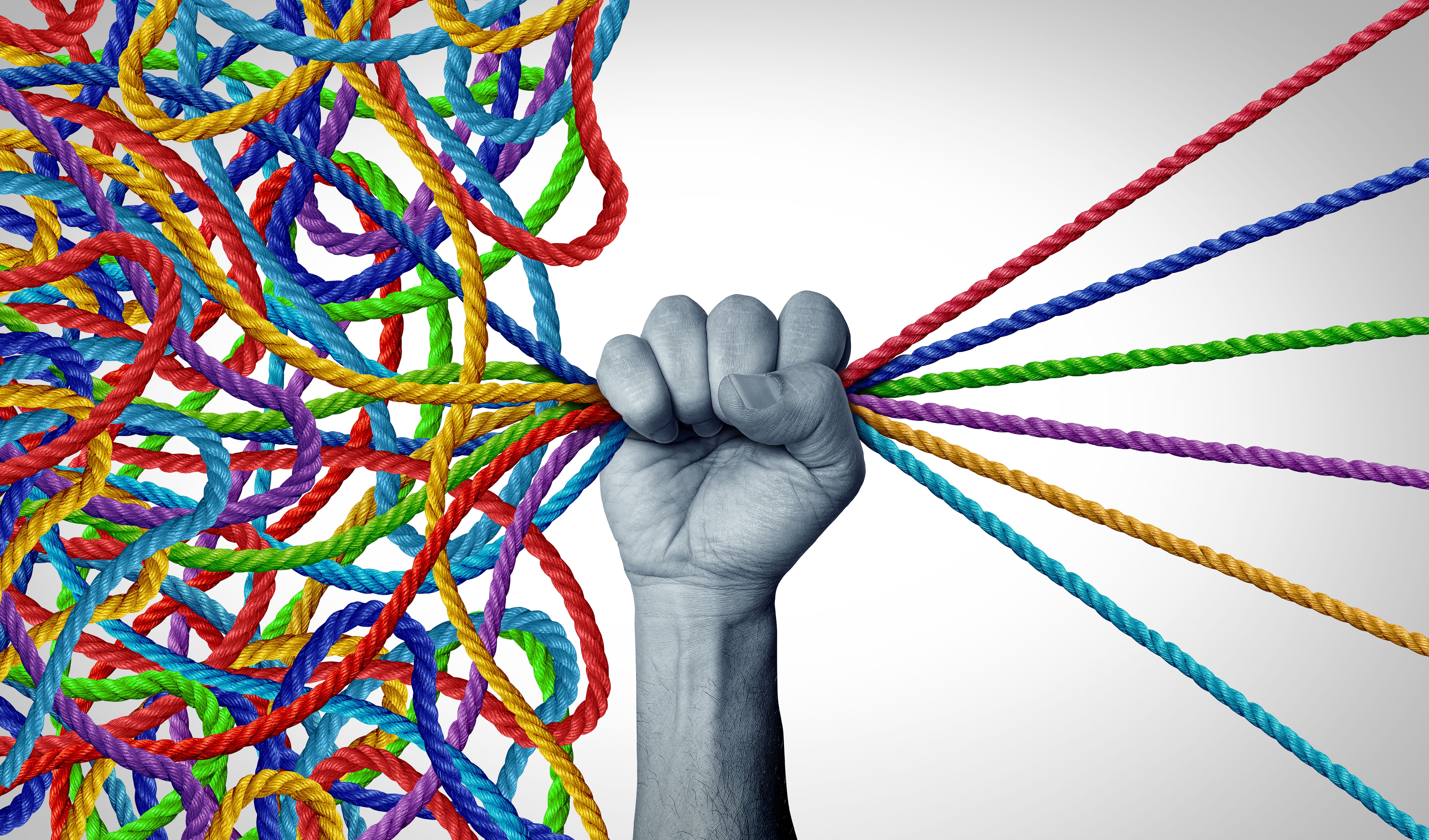
Leaders should also be proactive in identifying potential misalignments. This involves actively listening to team members and being willing to make necessary adjustments to strategies and goals.
Continuous Improvement
Alignment is not a one-time task but an ongoing process. Teams should consistently seek ways to improve communication and collaboration. Regular feedback and reflection can help identify new areas for alignment and growth.
By prioritizing alignment, teams can work more efficiently, innovate effectively, and achieve their objectives with greater success. This commitment to continuous improvement fosters a positive and productive team environment.