Creating a Rhythm of Accountability: Frameworks for Consistent Growth


Understanding Accountability in Growth
Accountability is a crucial element in ensuring consistent growth, whether it be personal or professional. It acts as a guiding force that keeps you on track and disciplined. Without accountability, goals can become vague aspirations rather than tangible achievements. By creating a rhythm of accountability, you can establish a sustainable path toward growth.
Establishing Clear Objectives
The first step in creating a rhythm of accountability is to establish clear objectives. This involves setting precise, measurable goals that can be tracked over time. When objectives are clear, it becomes easier to align your efforts and resources effectively.
Consider using the SMART criteria—Specific, Measurable, Achievable, Relevant, and Time-bound—to define your goals. This framework ensures that your objectives are not only clear but also realistic and attainable.
Implementing Structured Frameworks
Structured frameworks are essential to maintaining accountability. These frameworks provide a systematic approach to achieving your goals. One popular method is the use of a progress tracking tool or accountability partner. These tools and partners help in maintaining focus and provide regular feedback on your progress.

Another effective framework is the use of regular reviews. Weekly or monthly reviews can help you assess your progress, identify any obstacles, and make necessary adjustments. This process keeps you engaged and committed to your growth journey.
Creating Consistent Habits
Habits play a significant role in fostering accountability. By creating consistent habits, you can automate parts of your growth process, making it easier to stay on track. Start with small, manageable actions that align with your goals and gradually build upon them.
Consider using habit-tracking apps to monitor your progress and reinforce positive behaviors. Consistency in these habits will naturally lead to consistent growth.

Leveraging Technology for Accountability
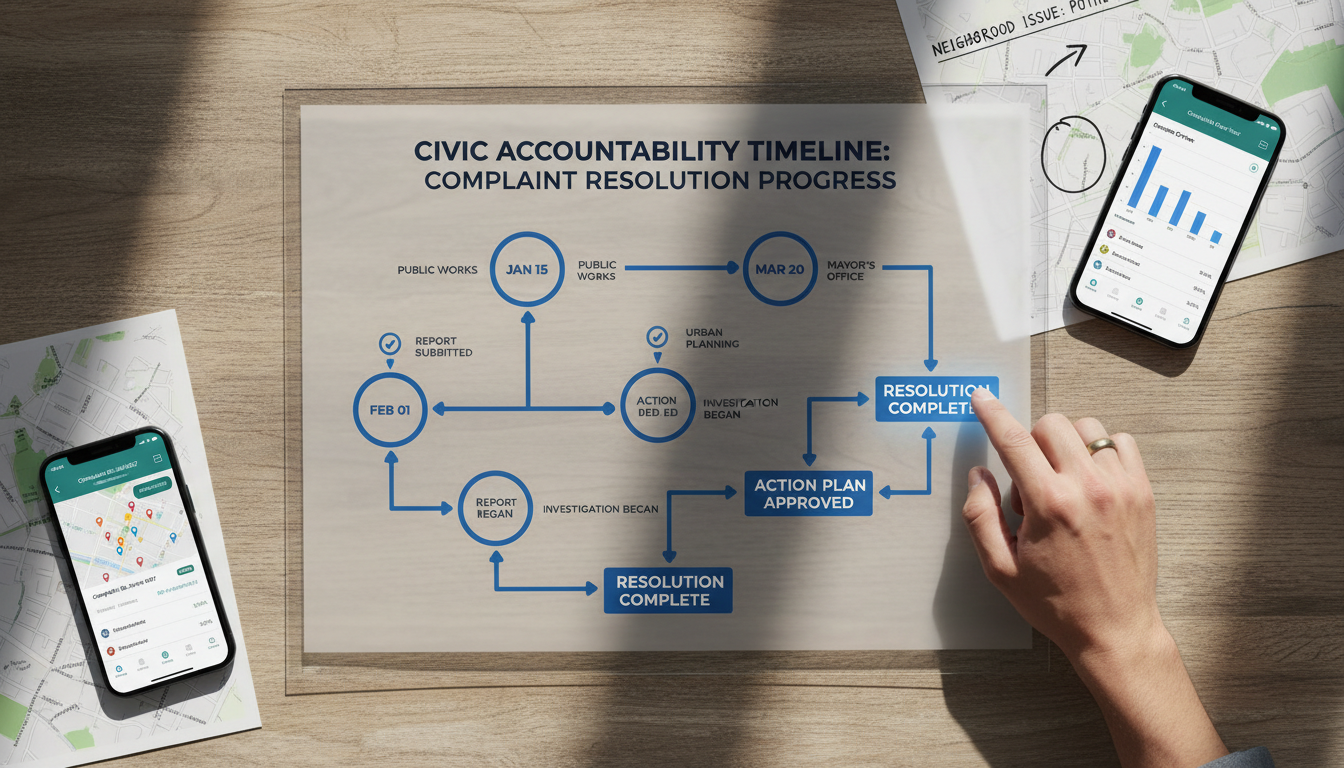
Technology offers numerous tools that can enhance accountability. From project management software to reminder apps, these tools can keep you organized and accountable. They provide visual representations of your progress and can alert you to deadlines and milestones.
Utilize technology to automate reminders and track your progress. This reduces manual effort and allows you to focus on achieving your objectives efficiently.
The Role of Feedback and Reflection
Feedback is a vital component of accountability. Regular feedback from peers, mentors, or accountability partners can provide new perspectives and insights. It helps in identifying areas for improvement and celebrating successes.
Reflection is equally important. Take time to reflect on your achievements and challenges. This practice allows for self-assessment and fosters a growth mindset, encouraging continuous improvement.

Building a Supportive Community
A supportive community can significantly enhance your accountability rhythm. Surround yourself with individuals who share similar goals or values. This community can offer encouragement, share experiences, and hold you accountable.
Join groups or forums related to your goals. Engage actively and contribute to discussions. The collaborative environment will motivate you to stay committed to your growth journey.
Conclusion: Sustaining Growth Through Accountability
Creating a rhythm of accountability is an ongoing process that requires dedication and effort. By establishing clear objectives, implementing structured frameworks, and leveraging technology, you can maintain consistent growth. Remember, the journey is just as important as the destination. Embrace the process, stay accountable, and watch your growth unfold.